 Siripuram Ravali
Modern Hospitals: Blending Technology with Compassionate Care
In today’s fast-paced world, modern hospitals have evolved into state-of-the-art healthcare hubs, combining advanced medical technology with expert care. From robotic surgeries and AI-assisted diagnostics to paperless systems and smart ICUs, hospitals now offer precise, efficient, and personalized treatments.
Patient comfort and safety are top priorities. Modern hospitals feature clean, spacious infrastructure, digital records for easy access, 24/7 monitoring, and specialized departments under one roof. Telemedicine and online consultations have also made healthcare more accessible than ever.
Overall, modern hospitals are a symbol of progress — where cutting-edge innovation meets compassionate healing.
Emergency Department (ER) :The Front Line Of Urent Care

Understanding Hospital Emergency Services: Your Lifeline in Critical Times
In moments of sudden illness or accidents, hospital emergency departments (ED) serve as vital lifesavers. Open 24/7, these units are equipped to handle urgent and life-threatening medical situations such as heart attacks, strokes, severe injuries, and trauma.
Emergency rooms are staffed with experienced doctors, nurses, and specialists trained to act quickly under pressure. Advanced medical equipment, triage systems, and on-call support from various departments ensure that patients receive timely and appropriate care.
It’s important for everyone to know when to visit the emergency department—such as in cases of chest pain, breathing difficulty, unconsciousness, or severe bleeding. For less critical conditions, visiting outpatient or urgent care services may be more appropriate.
Hospital emergency care is about more than treatment—it’s about saving lives when every second counts.
Diagnostics& Imaginng:Seeinng What’sBeneath The Surface
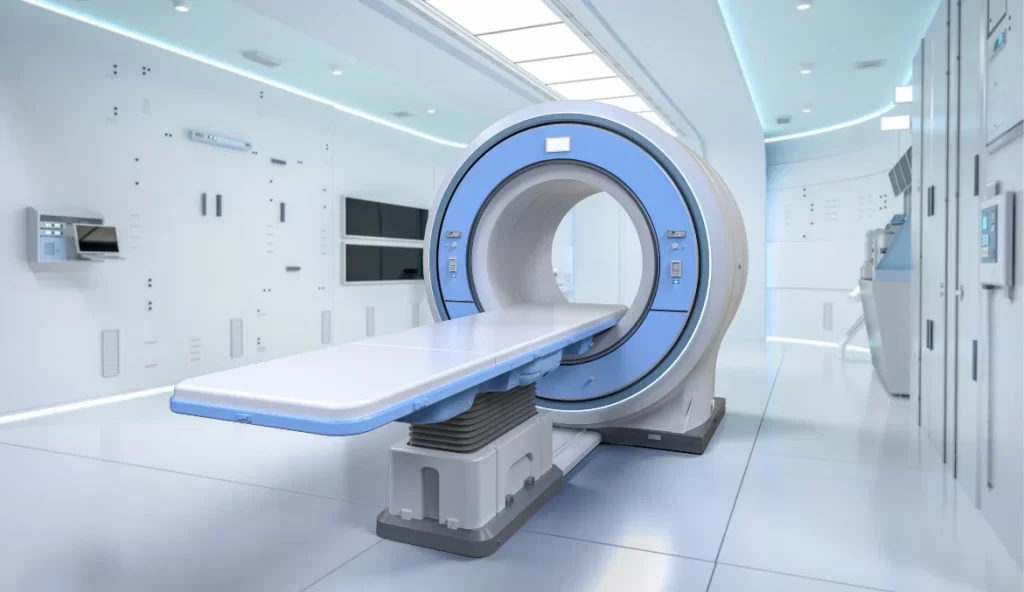
Understanding Hospital Diagnosis and Imaging: A Vital Role in Modern Healthcare
In today’s advanced healthcare system, accurate diagnosis is the first step toward effective treatment—and hospital diagnosis and imaging play a crucial role in this process. Diagnostic imaging includes a range of technologies like X-rays, MRI, CT scans, and ultrasounds that help doctors visualize the internal structures of the body without surgery. These tools provide vital insights into conditions affecting bones, organs, and soft tissues.
Modern hospitals are equipped with cutting-edge imaging technologies that allow for early detection of diseases such as cancer, heart conditions, neurological disorders, and more. Radiologists and diagnostic experts analyze these images to assist doctors in forming precise treatment plans. Whether it’s identifying a fracture or spotting a tumor, diagnostic imaging has revolutionized the way we understand and treat medical conditions..
Inpatient Wards:Where Healing Happens

:
Understanding Inpatient Care: What You Need to Know
Inpatient care refers to medical treatment that requires a patient to be admitted to a hospital or healthcare facility for at least one night. This type of care is typically reserved for serious conditions, surgeries, or when close monitoring and round-the-clock medical attention are needed.
From diagnosis to recovery, inpatient services include everything from advanced testing and surgeries to physical therapy and post-operative care. Patients are closely monitored by a team of doctors, nurses, and specialists to ensure timely and effective treatment.
Inpatient care plays a crucial role in managing complex health issues and offers a safe, supportive environment for recovery. Whether it’s for surgery, emergency care, or chronic illness management, choosing the right inpatient facility can significantly impact a patient’s healing jour
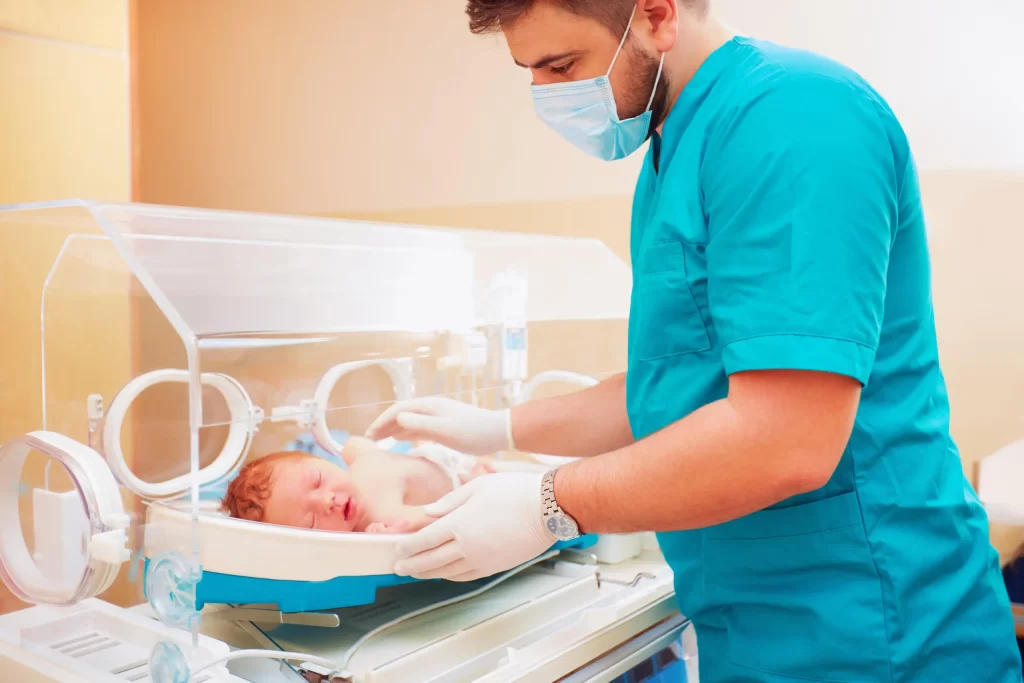
Meternity And Neonatal Care